How Freight Broker Technology Is Reshaping Carrier and Broker Workflows
The Days of Spreadsheet Dispatching Are Numbered
I spent my first few years in freight brokerage sitting in a cramped office where the loudest sound was the click of a mouse on a spreadsheet. Every load had to be manually entered, every carrier call logged by hand, and every rate confirmation printed and filed. That was the standard, and nobody questioned it. Today, that same office has been replaced by a cloud-based dashboard, and the person who used to spend four hours on carrier matching now spends ten minutes. The difference is freight broker technology, and it is not just about speed. It is about survival in a margin-thin industry where shippers expect instant answers and carriers expect to be paid quickly.
When I first heard about automated dispatch tools, I was skeptical. I had seen too many software demos that promised the moon but delivered a clunky interface that required more training than it saved. But the current generation of freight broker technology is different. It has matured to the point where it handles the repetitive tasks that used to eat up the middle of the day, leaving brokers free to do what they are actually good at: building relationships and solving problems. That shift is what makes the difference between a broker who books ten loads a day and one who books thirty without burning out.
What Freight Broker Technology Actually Does
At its core, freight broker technology is about connecting data that used to live in separate silos. A load board, a carrier compliance database, a rate sheet, a dispatch log, and an accounting system all need to talk to each other. When they do not, every transaction requires manual re-entry, which invites typos, delays, and disputes. Modern systems automate that data flow. They match available loads with qualified carriers based on lane history, equipment type, and service score. They send automatic updates to both the shipper and the carrier. They handle the paperwork in the background, sometimes without a human ever touching a form.
One concrete example: a broker I know used to spend the first hour of every morning emailing carriers for capacity on a recurring lane from Chicago to Atlanta. He would copy and paste the same details into fifty emails, wait for replies, and then manually enter the accepted loads into his TMS. After switching to a system that automated the tender process, he set up the lane once with his preferred carriers and rates. The system sent the tenders, tracked the responses, and only alerted him when a carrier declined or did not respond. That single change freed up nearly twenty hours a month. That is time he now spends on customer visits and negotiating better rates.
The Hidden Cost of Doing Nothing
I have watched small brokerages hesitate to adopt new tools because of the upfront cost or the fear of change. What they do not always see is the hidden cost of standing still. Every load that requires three phone calls to confirm costs money. Every invoice that gets delayed because of a data entry error hurts cash flow. Every carrier that waits on hold for a rate confirmation loses trust. In a business where relationships are everything, those small frictions add up to lost business. Freight broker technology does not eliminate the human element. It removes the friction so that the human element can shine.

A common objection I hear is that automation makes the broker less valuable because it replaces the "personal touch." In my experience, the opposite is true. When a broker is not buried in administrative work, they have the mental space to ask better questions. They can call a carrier and say, "I saw you had a tough delivery last week. How can I help make the next one smoother?" That kind of conversation builds loyalty. The technology handles the logistics; the broker handles the relationship.
Real-World Trade-Offs and Judgment Calls
No piece of freight broker technology is perfect. There are trade-offs that every broker has to weigh. One of the biggest is between flexibility and standardization. A system that automates everything works great for routine lanes with predictable capacity. But the moment a load requires a hazmat endorsement, a specialized trailer, or a tight appointment window, the automated rules can get in the way. The best systems let you override the automation when you need to. They do not lock you into a rigid workflow.
Another trade-off is data quality. Automation only works if the data going in is clean. If your carrier list has old phone numbers or your rate agreements are not updated, the system will make mistakes faster than a human would. I have seen brokers blame the software for a failed dispatch when the real problem was a phone number that had not been updated in six months. The technology demands discipline. You have to keep your data clean, or the automation will amplify your errors.
There is also the question of carrier adoption. A broker can have the best TMS in the world, but if the carriers they work with are not willing or able to use the portal, the automation falls apart. Some carriers, especially smaller owner-operators, still prefer a phone call or a text message. A good system supports multiple communication channels and does not force the carrier into a web portal they will not use. The technology should adapt to the carrier, not the other way around.
Where the Industry Is Headed
I have been in enough warehouses and dispatch offices to see that the freight broker technology landscape will keep evolving. The biggest shift I see is toward predictive tools that do not just automate today but suggest what to do tomorrow. Imagine a system that notices a pattern of delays on a certain lane and proactively suggests a different carrier mix before the problem hits the shipper's desk. That kind of intelligence is already being built into platforms like LuneTMS. It learns from your data and gets smarter the more you use it.
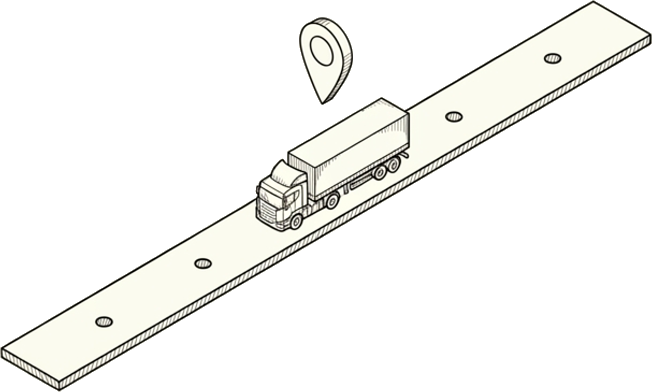
Another trend is the integration of real-time visibility. Shippers expect to know where their freight is without having to call anyone. Brokers who can provide that transparency without extra work have a clear advantage. The LuneTMS freight broker technology approach ties visibility directly into the dispatch workflow, so a broker does not have to toggle between a tracking app and their TMS. Everything lives in one place, and the carrier updates flow automatically to the customer.
What to Look For When Evaluating Systems
If you are a broker or a small carrier looking to upgrade your tools, here are a few things I have learned to look for after watching dozens of implementations:
- Ease of carrier onboarding. If the system requires a carrier to fill out a long profile before they can accept a load, many will bounce. Look for a system that can pull carrier data from your existing files or from public compliance databases.
- Flexible rule engines. You want to automate the routine but still be able to handle exceptions manually. A system that forces all loads through the same workflow will frustrate you eventually.
- Clean reporting. You need to know your lane profitability, your carrier performance, and your average time to cover. If the reporting is weak, you are flying blind.
- Mobile-friendly interface. Many dispatchers and carriers live on their phones. If the system does not work well on a mobile browser or a dedicated app, adoption will suffer.
I have seen brokers spend months evaluating systems only to pick one that looked great in a demo but fell apart under real-world pressure. My advice is to run a pilot with a single lane or a small set of loads. Test the automation, test the exception handling, and get feedback from the carriers you use most. That trial run will tell you more than any sales deck.
Putting It All Together
Freight broker technology is not a magic wand. It will not fix a broken business model or replace a bad carrier network. But when used well, it amplifies the strengths of a good broker. It handles the repetitive work, reduces errors, and gives you back time that you can reinvest in the relationships that matter. The LuneTMS freight broker technology philosophy aligns with this: build a system that handles the complexity so the human can focus on the nuance.
I have seen brokerages double their load volume without adding a single staff member simply by adopting the right tools. I have also seen brokerages buy expensive software and let it sit unused because they never changed their workflows to match. The technology is only half the equation. The other half is the willingness to rethink how you work. If you are open to that change, the tools available today can transform your business. If you are not, no amount of automation will save you.
In the end, the freight brokers who thrive will be the ones who see technology as a partner, not a threat. They will use it to do more with less, to serve their customers better, and to build a business that can scale without burning out the people who run it. That is the real promise of modern freight broker technology, and it is already here.
 LinkedIn
 Facebook
 Instagram
 YouTube